Is San Pedro Legal In Peru? What The Law Says About San Pedro And Ayahuasca
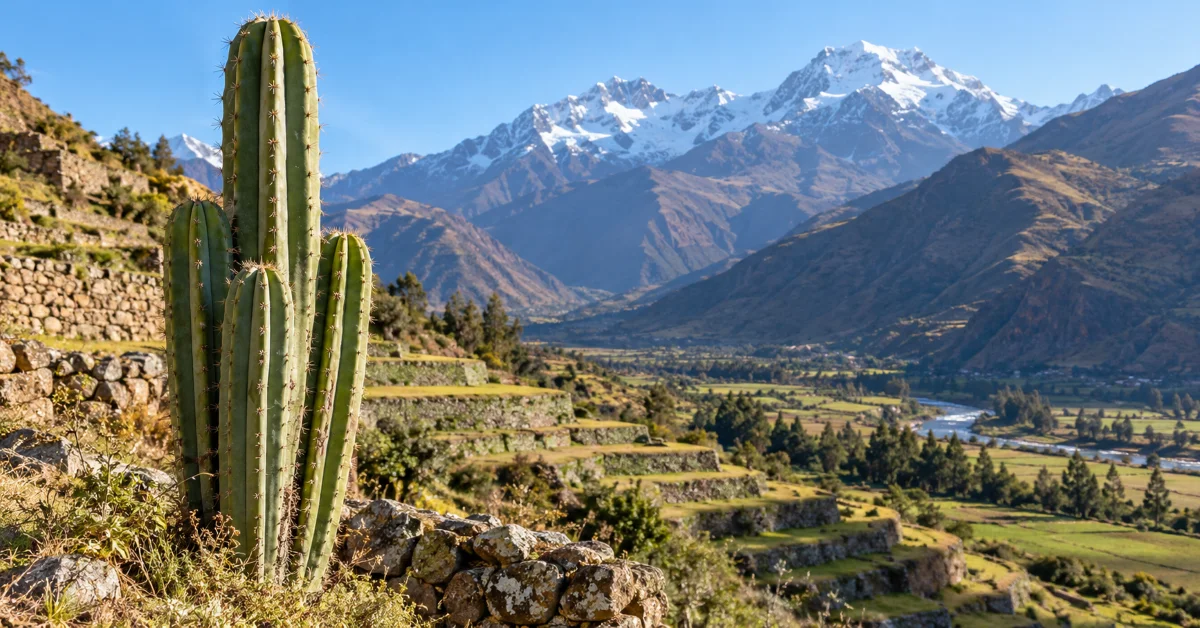
Is San Pedro legal in Peru? Yes, and ayahuasca is too. No Peruvian law names either plant. What Peru bans is the chemistry inside them. Mescaline is the active alkaloid in San Pedro, and DMT is the one in ayahuasca’s chacruna leaf. Both sit on List IB of the Health Ministry’s controlled-substance list, where production, trade and use are prohibited.
I spent 10 years as a corporate attorney in New York before I started Cusco Ayahuasca Retreats. Retreat websites, ours included, have a reason to tell you “legal.” So I went to the documents, and every claim below carries a document number you can check.
San Pedro (Echinopsis pachanoi, also called huachuma or wachuma) is legal in Peru because the cactus appears on no Peruvian law or controlled-substance list. Its alkaloid, mescaline, is banned: List IB under Supreme Decree 023-2001-SA prohibits its production, trade and use. Peru also reserved the plant’s ritual use under a 1971 UN treaty, and that reservation stops at the border.
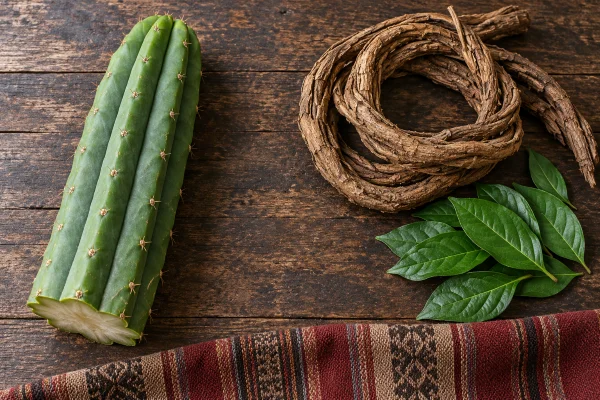
What’s legal in Peru, plant by plant
Both plants are legal in Peru, and both of their active alkaloids are banned. Each row names the document that settles it.
| Question | San Pedro (huachuma) | Ayahuasca | Document |
|---|---|---|---|
| Is the plant on Peru’s drug list? | No | No, neither the vine nor chacruna | DS 023-2001-SA catalog, Nov 2024 |
| Is its active alkaloid on the list? | Yes: mescaline, List IB | Yes: DMT, List IB | Same catalog |
| Did Peru reserve the plant at the UN? | Yes | Yes | Peru’s 1981 note, UN Treaty Series vol. 1212 |
| Is its traditional use national heritage? | Yes, in northern curanderismo (2022) | Yes, in Amazonian native communities (2008) | RVM 000252-2022-VMPCIC/MC; RDN 836/INC |
| Does a ceremony leader need a license? | None found | None found | No document |
| Does export need a CITES permit? | Yes, Appendix II (cactus family) | No, but exporting DMT is banned | CITES Appendices; DS 023-2001-SA |
Is mescaline legal in Peru?
No. Mescaline is row 21 of List IB in the Health Ministry’s controlled-substance catalog, which DIGEMID publishes under Supreme Decree 023-2001-SA. The version I checked is dated November 2024.
DMT is row 7 on the same list. A footnote applies the decree’s rule to Lists IA and IB: “Queda prohibida la producción, fabricación, exportación, importación, comercio y uso.” That’s a ban on production, manufacture, export, import, trade and use.
The plants aren’t on it. I searched the catalog for San Pedro, Echinopsis, Trichocereus, ayahuasca, Banisteriopsis and Psychotria, and none of them appears. If you’re new to the cactus itself, start with what wachuma is and where the name comes from.
There’s 1 loose end. List IA includes a catch-all row, “plantas y extractos vegetales susceptibles de uso indebido,” meaning plants and plant extracts open to misuse. It names no species, and none of the other 4 documents on this page points to it. Peru’s own UN note treats both plants as reserved for ritual use. If your plans go past sitting in a ceremony, say shipping or selling extracts, ask a Peruvian lawyer first.
Why the plants stay legal: Peru’s 1981 note to the UN
Both plants stay legal because the UN treaty controls chemicals, and Peru reserved the plants themselves for ritual use.
The 1971 UN Convention on Psychotropic Substances lists mescaline and DMT by name in Schedule I. The UN’s published schedules (ST/CND/1/Add.2/Rev.8, as at November 2022) name no plant in that schedule.
The treaty also made an exception for plants. Article 32(4) lets a country reserve wild plants that contain Schedule I substances and are “traditionally used by certain small, clearly determined groups in magical or religious rites.”
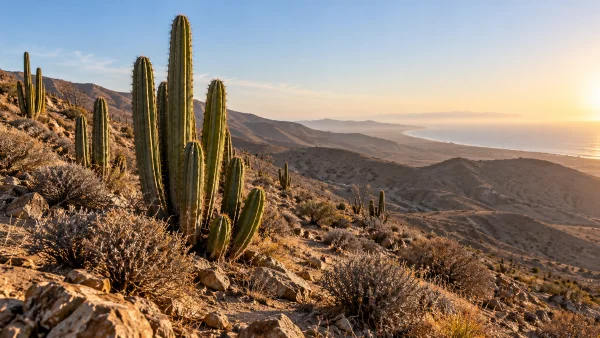
Peru took that option when it joined. In a note registered by the UN on January 29, 1981, Peru named 2 wild plants. One was ayahuasca, “a liana which grows in the Amazon region” and contains DMT. The other was “a columnar cactus known as San Pedro, which grows in the desert coastal regions.” According to the note, San Pedro “is used in magical rites by indigenous medicine men or shamans.”
That note is the closest thing either plant has to a legal basis. Peruvian law never says drinking San Pedro or ayahuasca is legal, and it never says it’s illegal. The plants sit off the list, and Peru told the UN it reserved their ritual use.
The 2 medicines also differ in length and in screening, which our ayahuasca vs San Pedro comparison covers.
What Peru’s heritage declarations protect, and what they don’t
Peru has declared both traditions national cultural heritage. Neither declaration is a drug law, and both set tourist and commercial use apart from the tradition they protect.
The 2008 resolution, Resolución Directoral Nacional N° 836/INC, ran in El Peruano on July 12, 2008, according to Peru’s state news agency, Andina. It made “los conocimientos y usos tradicionales del ayahuasca” national heritage, as practiced by Amazonian native communities. It set that use apart from “los usos occidentales descontextualizados, consumistas y con propósitos comerciales,” meaning Western uses that are out of context, consumerist or commercial.
The 2022 resolution, Resolución Viceministerial N° 000252-2022-VMPCIC/MC, was signed November 14 and published November 17, 2022. It covers “los conocimientos, saberes y usos tradicionales del cactus San Pedro en las prácticas del curanderismo en el norte del Perú.” It names 7 regions: Lambayeque, La Libertad, Piura, Tumbes, Cajamarca, Amazonas and Áncash. Cusco isn’t on the list.
The text also separates curanderismo from “toxicomanía, uso recreativo, o de turismo místico,” which means addiction, recreational use or mystical tourism.
Google’s AI summary, and the retreat page it quotes most, say San Pedro is legal when it’s used in traditional or ceremonial settings. I can’t find a Peruvian law that says so. The heritage decrees protect a tradition, and they don’t make anything legal or illegal. In my reading, a paying guest at a retreat in Cusco sits outside both.
Is San Pedro legal in Peru for tourists?
Yes. Peru doesn’t bar foreigners from a San Pedro or ayahuasca ceremony. As of October 2026, we know of no national license, registry or exam for the people who lead them.
That puts the vetting on you. Our own paperwork is ordinary: we’re registered in Peru as a company, and that covers the business. It says nothing about who’s fit to pour a cup, so we name our maestros and our physician before you apply.
So ask the questions the law doesn’t. Our San Pedro ceremony post explains how to vet a huachumero before you drink.
Growing, buying and selling the plants in Peru
Growing San Pedro, the vine or chacruna is legal in Peru, since none of them is on the list.
The brew at our ayahuasca ceremonies in Cusco is made from 2 plants, Banisteriopsis caapi and Psychotria viridis. You won’t find either plant in Peru’s catalog or in the CITES appendices. The DMT in the chacruna leaf is a different matter: it’s on List IB.
A live San Pedro plant or cutting isn’t on the list either, so selling one isn’t selling a listed drug. Extracts are another story. An extract is mescaline or DMT in concentrated form, and trading either one is banned.
Can you take San Pedro or ayahuasca out of Peru?
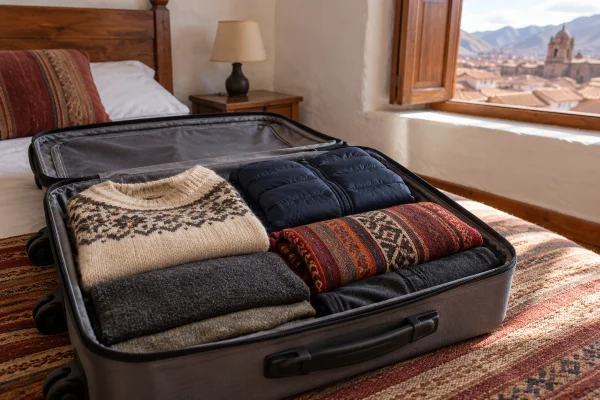
No. Leave both off your packing list, along with anything brewed or dried from them.
San Pedro has a second problem: CITES, the treaty on international wildlife trade. The whole cactus family is listed under CITES, and San Pedro falls under CITES Appendix II. That listing covers all parts and derivatives except seeds, lab-grown seedlings and a short list of products from farmed plants.
A cutting or a bag of dried stems needs a CITES export permit, and in Peru those come from SERFOR, the national forest and wildlife service. CITES amended that exemption list in March 2026, so check the current text before you rely on it.
Ayahuasca’s 2 plants aren’t CITES-listed. But Peru’s catalog bans exporting DMT and mescaline, and Peru’s UN reservation doesn’t reach trade. Article 32(4) carves out “the provisions relating to international trade.”
Your home country’s law takes over once you land. Mescaline and DMT are Schedule I substances under the 1971 Convention, so check your own country’s rules before you fly. We tell guests who hold a professional license or a security clearance to talk to a lawyer at home before they post about a ceremony.
Packing is the easy part of getting ready, and our guide to ayahuasca retreat preparation covers the rest.
What could change after 2026
I see no pending change to either plant’s legal status.
The 2022 declaration orders the Culture Ministry’s intangible heritage office to report on the tradition every 5 years. The 7 regional culture offices and the communities that carry the practice take part. The first report should fall due around November 2027.
In Congress, the 2 plant-medicine bills I found, PL 3334/2022-CR and PL 4224/2022-CR (filed in 2022 and 2023), deal with medicinal plants in general. PL 4224 lists San Pedro among Lambayeque’s medicinal plants, as a purgative. Neither bill mentions ayahuasca or retreat centers.
My guess is that any future rule will follow the line both heritage decrees already drew between tradition and commercial or tourist use. That line runs through retreats like ours. It’s why we publish the documents instead of a slogan. Until Peru writes that rule, each center sets its own screening, and our ayahuasca safety guide lays out ours.
When a guest asks me “is San Pedro legal in Peru,” I answer with 5 document numbers. The answer is yes, for narrower reasons than most retreat pages admit.
Frequently asked questions
Is San Pedro legal in Peru?
Yes. No Peruvian law or controlled-substance list names the San Pedro cactus, and Peru’s 1981 note to the UN lists it under the country’s reservation for ritual plants. Its alkaloid, mescaline, is banned as row 21 of List IB under Supreme Decree 023-2001-SA.
Is ayahuasca legal in Peru?
Yes. Neither the vine (Banisteriopsis caapi) nor chacruna (Psychotria viridis) is on Peru’s list. In 2008, Peru made the traditional knowledge and use of ayahuasca by Amazonian native communities national heritage. DMT, the active compound in chacruna, is on List IB, where production, trade and use are banned.
Is mescaline legal in Peru?
No. Mescaline sits on List IB of the Health Ministry’s catalog under Supreme Decree 023-2001-SA. That list bans its production, manufacture, export, import, trade and use. The cactus it comes from isn’t listed.
Is San Pedro protected cultural heritage in Peru?
Partly. In November 2022, Peru made the traditional knowledge and use of San Pedro in northern Peru’s healing practice, curanderismo, national heritage. It covers 7 northern regions, including Piura and Lambayeque. Cusco isn’t covered, and the text sets the tradition apart from recreational use and mystical tourism.
Is San Pedro legal in Peru for tourists?
Yes. Nothing in Peruvian law bars foreigners from a San Pedro or ayahuasca ceremony. As of October 2026, we know of no national license for ceremony leaders. Vetting the facilitator is up to you.
Can I bring San Pedro or ayahuasca home from Peru?
No. San Pedro cuttings and dried cactus need a CITES export permit from SERFOR. The whole cactus family, San Pedro included, is on CITES Appendix II. Peru also bans exporting mescaline and DMT, and both are Schedule I substances under the 1971 UN Convention, so your home country probably controls them too.
Is this page legal advice?
No. It summarizes public documents as checked on October 21, 2026. Michael Vale is a former US corporate attorney and isn’t licensed in Peru. Talk to a Peruvian lawyer about anything beyond attending a ceremony.